
From Procurement to Commissioning: A Comprehensive Look at the Technical and Commercial Service Chain in Heavy Industries

Introduction
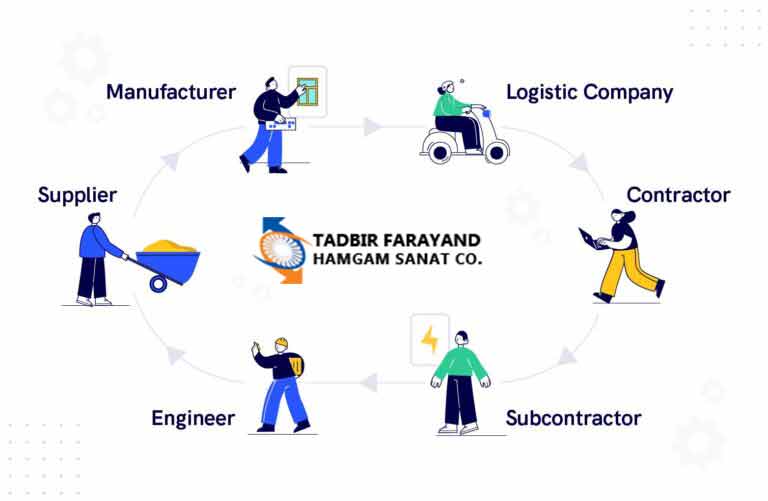
In heavy industries, the successful execution of large-scale projects relies heavily on the seamless coordination of various technical and commercial services. From procurement and engineering design to manufacturing, inspection, installation, and commissioning, each phase is crucial for ensuring that projects are completed on time, within budget, and to the highest quality standards. This article provides an in-depth look at the entire service chain and highlights how integration across these stages leads to more efficient and successful project delivery.
1. Procurement Services: Building the Foundation
Procurement involves sourcing the right materials, equipment, and services required for the project. Efficient procurement processes ensure timely delivery, cost-effectiveness, and compliance with technical specifications. Working closely with engineering teams helps prevent delays and reduces the risk of cost overruns.
2. Design and Engineering: From Concept to Blueprint
The design and engineering phase transforms project requirements into detailed plans and technical drawings. Close collaboration between designers, engineers, and procurement ensures that specifications are accurate and materials meet necessary standards. Risk assessments and feasibility studies conducted in this phase help optimize resource allocation.
3. Manufacturing and Production: Delivering Quality Components
Manufacturing turns engineering designs into tangible products. This phase includes strict quality control measures to ensure components meet industry standards. Coordination with technical inspection teams guarantees early detection and correction of defects, maintaining high quality throughout production.
4. Technical Inspection: Ensuring Compliance and Safety
Technical inspection verifies that all products and processes adhere to regulatory and project-specific standards. It encompasses material testing, weld inspections, and operational tests. These inspections are critical for maintaining safety, functionality, and quality assurance.
5. Installation and Commissioning: Bringing the Project to Life
Installation involves assembling and integrating components on-site, while commissioning ensures that all systems operate correctly and efficiently. Effective project management during these stages is essential to avoid operational issues and ensure smooth handover.
6. Maintenance and Repair: Sustaining Performance Over Time
Once commissioned, ongoing maintenance and repair services are vital for extending equipment lifespan and minimizing downtime. Proactive maintenance strategies help maintain consistent operation and reduce long-term costs.
7. Project Management: Orchestrating Success
Successful project delivery depends on integrated project management that oversees all technical and commercial aspects. Coordinated communication, timeline tracking, budget control, and risk management ensure that projects progress smoothly from start to finish.
Conclusion
The technical and commercial service chain in heavy industries is complex but essential for delivering successful projects. Integration and coordination across procurement, design, manufacturing, inspection, installation, and maintenance phases optimize resources, reduce risks, and improve overall project outcomes.